
Waiting for a visa can feel like watching a clock that refuses to move. You have flights to book, family waiting abroad, a job offer with a start date, or a university semester that won’t pause for bureaucratic timelines. Visa processing delays are one of the most stressful parts of international travel — and one of the most common. The good news? With the right information and a clear action plan, most delays are manageable.
This guide walks you through everything you need to know: what causes delays, how to check your status, what administrative processing really means, when to contact the embassy or consulate, and how to avoid costly mistakes that could make a bad situation worse.
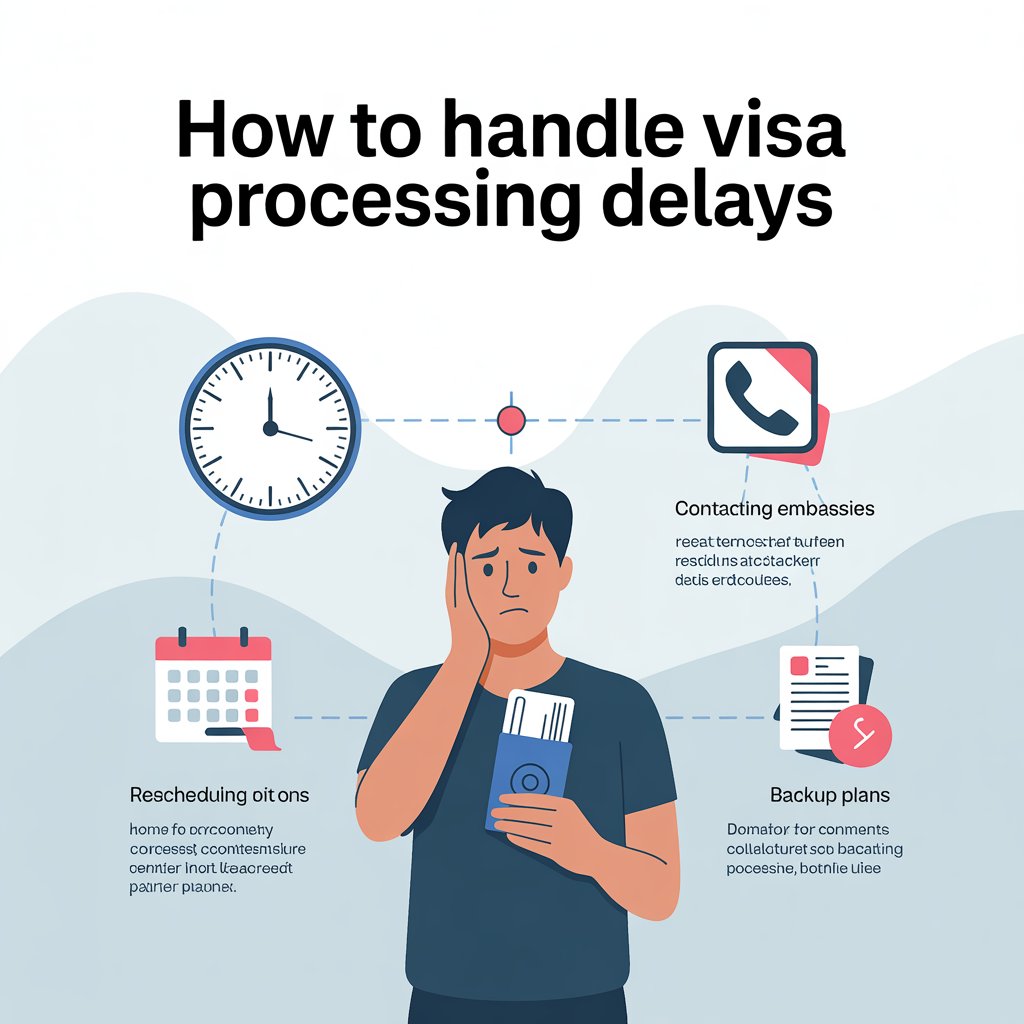
What Causes Visa Processing Delays?
Understanding the root cause of your delay is the first step toward handling it wisely. Visa processing delays rarely happen without reason — and knowing why yours occurred can help you decide what, if anything, you need to do next.
High application volume is the most common culprit. U.S. consulates and embassies worldwide process millions of visa applications each year, and during peak travel seasons — summer, major holidays, and back-to-school periods — the sheer volume of applications creates a visa backlog that slows everything down.
Staffing shortages also play a significant role. Many consular posts have operated with reduced staff in recent years, leading to stretched visa interview wait times and longer overall U.S. visa processing time.
Missing or incomplete documents are a frequent and entirely preventable cause. If your application packet is missing a required form, photo, fee receipt, or supporting document, your case may be paused until you provide what’s needed.
Security or background checks are another factor. Some applicants require additional screening as part of standard procedure, particularly for certain nationalities, travel histories, or visa categories. This is normal and doesn’t automatically signal a problem.
Administrative processing — more on this below — places an application in a holding pattern pending additional review. This can significantly extend your wait time beyond the standard processing window.
Finally, seasonal demand and interview backlogs at busy posts can push visa interview wait times to several months. Consular capacity simply cannot always keep pace with demand.
Check Your Visa Status First
Before taking any action, check your application status. This sounds obvious, but many applicants skip this step and assume the worst before understanding where their case actually stands.
If you’ve had your visa interview, you were likely told when to expect a decision. If the stated timeframe has passed, start by checking the embassy or consulate website for your specific country. Many posts publish updated processing time estimates, and these can shift week to week.
If your case is in administrative processing, you may see a specific status reflected in the U.S. Department of State’s system or receive a written notification. Log into the portal you used to schedule your visa interview appointment and look for any alerts, document requests, or status changes.
Also review any correspondence you’ve received. Emails or letters from the embassy may include instructions you’re required to follow — such as submitting additional documents or completing a supplemental form — before your case can move forward. Ignoring these requests, even unintentionally, is one of the most common reasons a delayed visa application stalls even further.
Understand Administrative Processing
“Administrative processing” is a term applicants often encounter after their visa interview — and it’s one that causes significant anxiety. In simple terms, it means your application requires additional review before a final decision can be made.
Administrative processing is not a denial. It’s a pause. The consular officer reviewing your case has flagged it for further evaluation, which may involve a security check, verification of documents, interagency consultation, or other standard review processes.
How long does it take? That’s the hard part. Administrative processing can take anywhere from a few weeks to several months, depending on the case complexity and current workload. The U.S. State Department generally advises applicants not to make irreversible travel plans while their case is in this status.
There is typically nothing an applicant can do to speed up administrative processing. Your application is actively being reviewed — you just can’t see it happening. The best approach is to monitor your status, avoid submitting duplicate applications, and prepare your supporting documents in case additional information is requested.
What to Do When Your Visa Is Delayed
If you’re in the thick of a delay and wondering what steps to take, here’s a practical checklist:
Confirm all required documents were submitted. Review your original application checklist and verify nothing was omitted. If a document was missing, check whether the consulate has issued a request for additional evidence.
Recheck your DS-160 and interview details. Errors in your DS-160 form — the nonimmigrant visa application — can cause complications. Confirm that your personal information, travel history, and other details are accurate and consistent with your supporting documents.
Monitor embassy or consulate communications. Don’t rely solely on email. Check your application portal, the consulate’s official website, and any case status tools regularly. Some consulates post updated information about processing times or general delays that affect all applicants.
Keep your travel plans flexible. If your travel date hasn’t been booked yet, hold off on nonrefundable purchases. If you’ve already booked, contact the airline or hotel and ask about change or cancellation policies due to visa processing circumstances. Many travel providers are accommodating when presented with documentation of a pending visa.
Save all case-related documents. Keep copies of your receipt number, case number, DS-160 confirmation, interview appointment confirmation, and any correspondence you’ve received. You’ll need these if you contact the embassy or need to escalate.
Avoid submitting duplicate applications. Unless the consulate explicitly instructs you to reapply, submitting a second application won’t speed things up — it will create confusion and may complicate your case.
When You Can Request an Expedited Appointment
In some circumstances, you may be eligible to request an expedited visa appointment — a faster interview slot ahead of the standard queue. However, expedited processing is reserved for situations that meet a high bar of urgency.
Circumstances that typically qualify include:
- Medical emergencies — You or an immediate family member requires urgent medical treatment abroad or in the U.S.
- Funeral or humanitarian travel — A death or critical illness in the immediate family requiring immediate travel.
- Academic deadlines — A student visa applicant with a verified school start date that falls within the processing backlog period.
- Urgent business travel — Time-sensitive business obligations that cannot be rescheduled, particularly for nonimmigrant visa holders supporting U.S. economic interests.
- Short-notice U.S. government travel — Work tied to official government or diplomatic purposes.
What typically does not qualify: General vacation plans, preference for a sooner travel date, or dissatisfaction with wait times alone are not sufficient grounds for an expedited appointment request.
What you’ll need: Documentary evidence of urgency. For medical travel, this means letters from physicians. For academic travel, an acceptance letter with enrollment dates. For business travel, a letter from your employer or the U.S. company you’re meeting with. Be honest and specific — consular officers review these requests carefully, and vague or unsubstantiated claims are routinely denied.
To submit your request, visit the official scheduling portal for the specific embassy or consulate where you applied. The process for requesting an expedited appointment varies by post, so check the embassy’s website for their specific procedure.
How to Contact the Embassy or Consulate
Reaching out to the embassy or consulate is appropriate in certain situations — but how and when you do it matters.
When to contact them:
- Your visa processing time has significantly exceeded the published estimate for your category.
- You’ve received a request for documents and need clarification.
- You have a genuine emergency that affects your ability to wait.
- You have a critical travel date approaching with no status update.
How to reach out: Most embassies and consulates have specific contact forms, email addresses, or online inquiry systems. Use the official contact method listed on the embassy’s website — not third-party services. When sending a message, keep it brief and professional. Include your full name, passport number, case number or receipt number, the date of your visa interview appointment, and a clear, one-paragraph explanation of your situation.
What to avoid: Do not send multiple messages in quick succession. Repeated follow-up emails can clog consular inboxes and may negatively affect how your inquiry is received. Send one clear, well-documented message and allow adequate time for a response before following up.
Consular processing timelines vary by post, so don’t assume that what’s true for one embassy applies to another. The official embassy website is always your most reliable source of current information.
Common Mistakes to Avoid
Visa delays are stressful enough without accidentally making them worse. Here are the most common mistakes applicants make — and how to avoid them.
Submitting incomplete applications. A single missing document can halt your entire case. Before submitting, go through the official checklist twice. When in doubt, include more supporting documentation rather than less.
Ignoring document requests. If the consulate asks for additional materials, treat it as urgent. Missing the response window can significantly delay your case or result in a denial.
Booking nonrefundable travel too early. Many applicants lock in flights and hotels before their visa is approved, then face financial losses when processing runs long. Use refundable or changeable bookings until you have your visa in hand.
Sending repeated follow-up emails. It’s understandable to feel anxious, but flooding the consulate with messages won’t accelerate your case. One well-timed, professional inquiry is far more effective.
Assuming a delay means rejection. A delayed visa application is not a denied one. Administrative review, high volume, and security checks are all routine parts of the process. Most delayed applications are ultimately approved.
Relying on unofficial advice. Immigration forums and social media groups often contain outdated or incorrect information. Always verify what you read against the official embassy website or the U.S. State Department’s resources at travel.state.gov.
How to Prepare for Future Delays
If you’ve learned anything from this experience, let it be this: apply early. The single most effective thing you can do to avoid the pressure of visa processing delays is to give yourself as much lead time as possible.
Start your visa interview appointment scheduling process well ahead of your travel date. For popular destinations and peak seasons, visa interview wait times can stretch to several months. Check current wait times on travel.state.gov before you finalize any travel plans.
Keep your documents organized and up to date. Maintain a dedicated folder — physical or digital — for your passport, visa history, financial records, employment letters, and other commonly requested materials. Being ready to respond quickly to any document request can make a meaningful difference.
Build flexibility into your travel plans. Wherever possible, choose changeable flights and refundable accommodations until your visa is confirmed. If you’re traveling for a school enrollment or job start date, communicate proactively with the institution or employer about the visa timeline.
Check official processing time estimates regularly. The State Department publishes current visa wait times by country and visa category. These estimates aren’t guarantees, but they’ll give you a realistic baseline for planning.
Finally, if your visa situation is complex — involving prior travel issues, previous visa denials, or unusual personal circumstances — consider consulting a licensed immigration attorney before applying. Professional guidance is especially valuable when the stakes are high.
Conclusion
Visa processing delays are frustrating, but they’re also a normal part of navigating international travel. They happen to students, workers, families, and tourists alike — and in most cases, they resolve with patience and the right approach.
The key is to stay organized, informed, and proactive without crossing into the territory of actions that could complicate your case. Check your status regularly. Respond promptly to any document requests. Know when to reach out to the consulate — and how to do it professionally. And when an expedited visa appointment is genuinely warranted, don’t hesitate to request one with proper documentation.
Visa processing delays rarely mean the end of your plans. They mean you need a clear head, a little patience, and a solid action plan. With the guidance in this article, you now have all three.
For official U.S. visa wait times and current processing estimates, visit travel.state.gov.